 Venus Laser
Premium OEM/ODM Laser & IPL Systems
Explore our state-of-the-art medical and aesthetic laser equipment configured with premium-grade xenon flashlamp architectures.
Understanding IPL Flashlamp Technology: The Heart of Photo-Aesthetics
In the rapidly changing landscape of medical aesthetics, Intense Pulsed Light (IPL) continues to serve as an essential standard for non-invasive skin therapy. Whether it is applied to permanent hair reduction, vascular therapy, epidermal pigmentation correction, or photo-rejuvenation, the engine driving these clinical applications is the xenon flashlamp. Often referred to simply as the IPL lamp, this critical consumable converts accumulated electrical energy into concentrated electromagnetic radiation across a broad spectrum (typically 400nm to 1200nm).
For original equipment manufacturers (OEMs), clinical distributors, and engineering managers, sourcing highly reliable IPL lamps is not merely a matter of finding the lowest unit cost. It represents a complex engineering trade-off balancing peak current density, lifetime expectancy, spectral stability, and envelope cooling configuration. The manufacturing process of a professional-grade IPL lamp involves high-purity quartz selection, precise xenon gas pressurization, and advanced electrode material metallurgy to withstand millions of thermal expansions and contractions.
Information Gain Insight: The longevity of an IPL lamp is heavily determined by the design of its cathode and anode. Traditional lamps often suffer from electrode sputtering—a phenomenon where vaporized tungsten from the electrode deposits onto the internal quartz envelope walls. This results in the "blackening" of the lamp, which alters the spectral emission, increases filter thermal load, and significantly reduces the optical energy density ($J/cm^2$) delivered to the patient’s dermis. Professional manufacturers like Shandong Venus Laser Technology Co., Ltd. (VS LASER) and DFBEAUTY utilize specialized gas mixtures and optimized electrode geometry to minimize sputtering, ensuring consistent energy output over a lifetime of up to 1,000,000 flashes.
Global B2B Sourcing: Key Procurement Considerations & Technical Metrics
Globally, aesthetic clinics and device distributors face persistent operational pressure regarding the total cost of ownership (TCO) of their laser systems. Sourcing replacement parts or engineering custom IPL lamps requires a deep dive into specific technical benchmarks. Key performance indicators that direct modern procurement include:
- Spectral Envelope & Filtering: High-performance IPL systems require precise cut-off filters (e.g., 515nm, 560nm, 640nm, 690nm) to target specific chromophores. The lamp's emission profile must remain stable without shifting as it ages.
- Arc Length & Envelope Diameter: The physical dimensions of the plasma arc must match the waveguide or sapphire crystal integration. A mismatch reduces optical coupling efficiency, causing high heat generation and low clinical efficacy.
- Cooling Configuration: Water-cooled handpieces demand hermetically sealed connectors and flow tubes that prevent leakage. Water chemistry must be controlled to prevent mineral accumulation on the quartz envelope, which can cause catastrophic thermal fractures.
- Triggering Method: Whether using series or parallel triggering circuits, the electrical characteristics of the xenon gas fill must align with the system generator's voltage specifications.
DFBEAUTY & VS LASER Industry Benchmarks
Our manufacturing scale, technical experience, and quality benchmarks in numbers.
The Global Commercial Landscape & Chinese Manufacturing Advantages
The global market for medical aesthetic equipment has shifted towards vertical integration. Previously, European and American brands dominated the high-end clinical system segments. However, the development of manufacturing hubs in China—specifically in Weifang, Shandong—has redefined B2B supply chains. Factories such as Shandong Venus Laser Technology Co., Ltd. (VS LASER) and DFBEAUTY combine technical research and development with scalable production processes.
The manufacturing efficiency of Chinese factories is supported by an established regional supply chain. Everything from raw quartz selection, gas refinement, precise electrode machining, to automatic testing equipment is co-located in industrial clusters. This concentration minimizes lead times and offers substantial cost savings on both replacement components (like IPL flashlamps) and complete systems.
Key Structural Strengths of the DFBEAUTY Manufacturing Ecosystem:
- Comprehensive Certifications: Production facilities conform to ISO 13485 standards. Equipment undergoes strict auditing, securing medical CE certifications from TUV, along with FDA, TUV, and SGS compliance.
- Cleanroom Glassblowing & Sealing: Production takes place in class-10,000 cleanrooms. This environment eliminates microscopic dust particles that can settle on warm quartz, preventing localized hot spots and early lamp failure.
- Automated Electrodeposition and Annealing: High-temperature annealing cycles relieve structural stress in the quartz-to-metal transition zones, strengthening the mechanical integrity of the lamp.
- Strict Pre-shipment Testing: Every single lamp and optical module undergoes high-energy stress testing. This verification step guarantees stable spectral outputs and prevents early device failure.
| Parameter / Metric | Standard OEM Specifications | High-Performance ODM Grade |
|---|---|---|
| Quartz Material | Synthetic Quartz Glass | German Heraeus High-Purity Quartz |
| Gas Pressure (Xenon) | 1.2 - 1.5 Bar | Optimized 1.8 - 2.2 Bar (Enhanced Spectral Output) |
| Electrode Alloy Composition | Pure Tungsten (W) | Thoriated or Ceriated Tungsten (Sputter Resistant) |
| Lifetime Guarantees | 100,000 - 300,000 Shots | 500,000 - 1,000,000+ Shots |
| Spectral Coverage | 400nm - 1200nm | 400nm - 1200nm (Zero Spectral Drift) |
Corporate Infrastructure & Quality Certifications
Partnering with a globally verified manufacturer with complete R&D facilities, production zones, and global service footprints.

Professional Engineering Team
Over 15 years of industry experience, DFBEAUTY provides complete OEM/ODM assistance. Our group delivers fast technical answers, continuous product support, and custom system configurations.
DFBEAUTY Concept: Real, Reliable, Relationship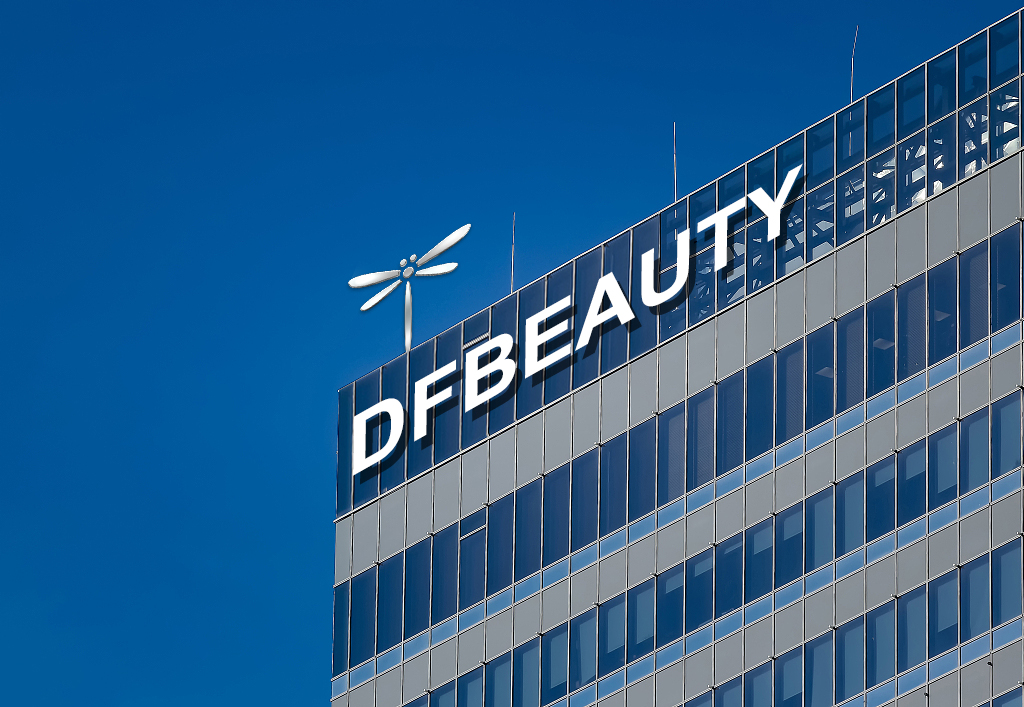
Scale & Manufacturing Expansion
Our annual turnover has grown to 10 million dollars, supported by a modern facility covering 10,000 square meters. We are committed to supplying high-quality systems, on-time deliveries, and reliable support.
DFBEAUTY Vision: Booming your business!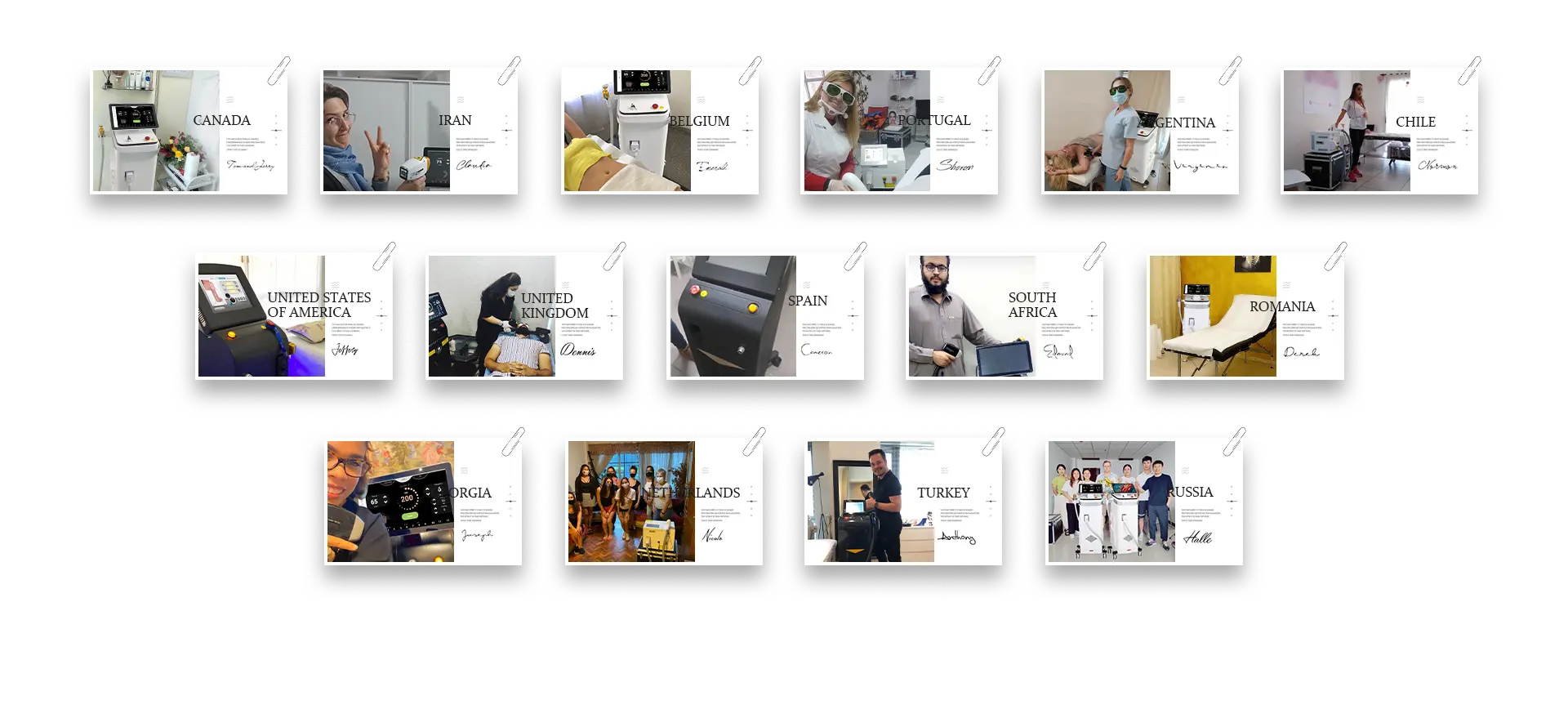
International Certifications
All our items have passed strict CE, ISO, FDA, TUV, and SGS audits. We manufacture in compliance with international requirements, giving distributors peace of mind in regulated markets.
Passed TUV Medical CE & ISO 13485The 16 Core Product Series & Integrated Laser Technologies
The capabilities of Shandong Venus Laser Technology Co., Ltd. (VS LASER) and DFBEAUTY span across 16 core clinical product series, showcasing our deep vertical integration in optoelectronic engineering:
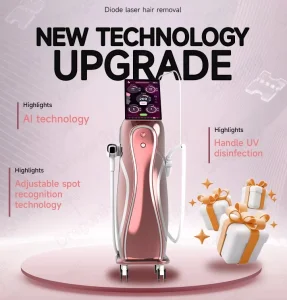
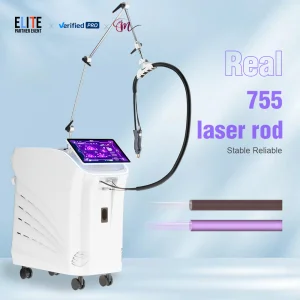
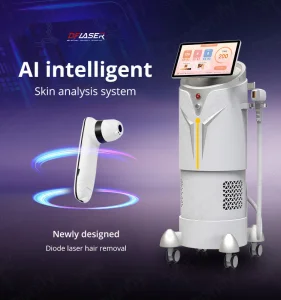
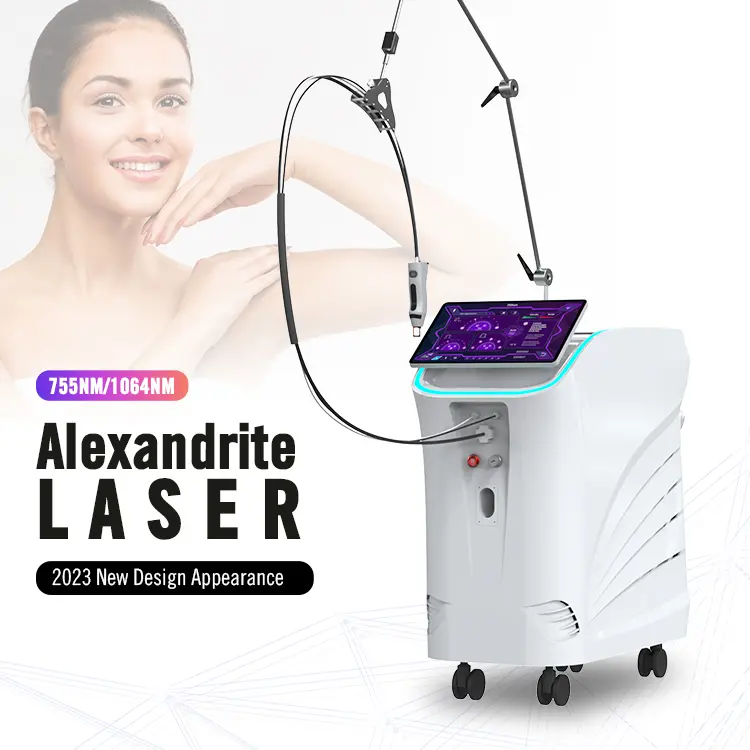
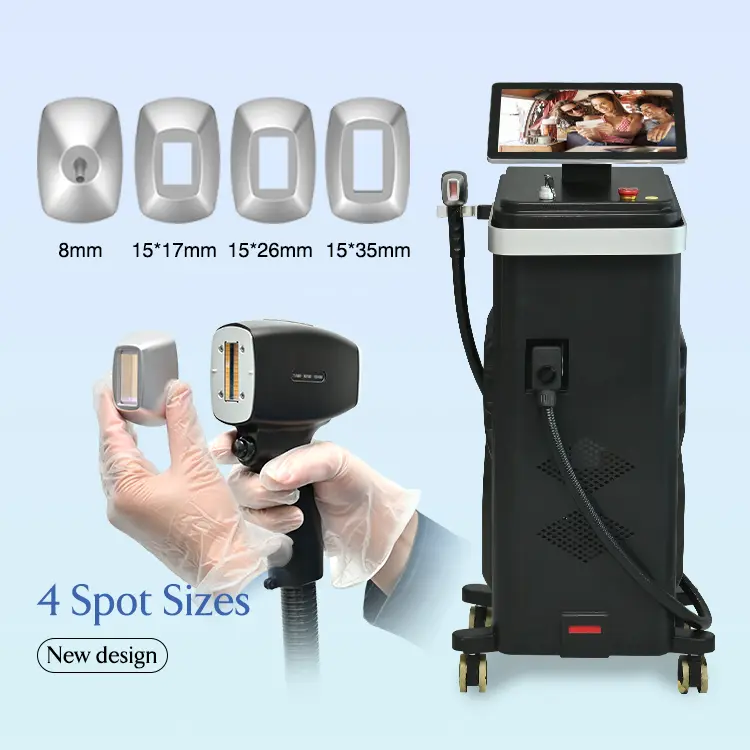
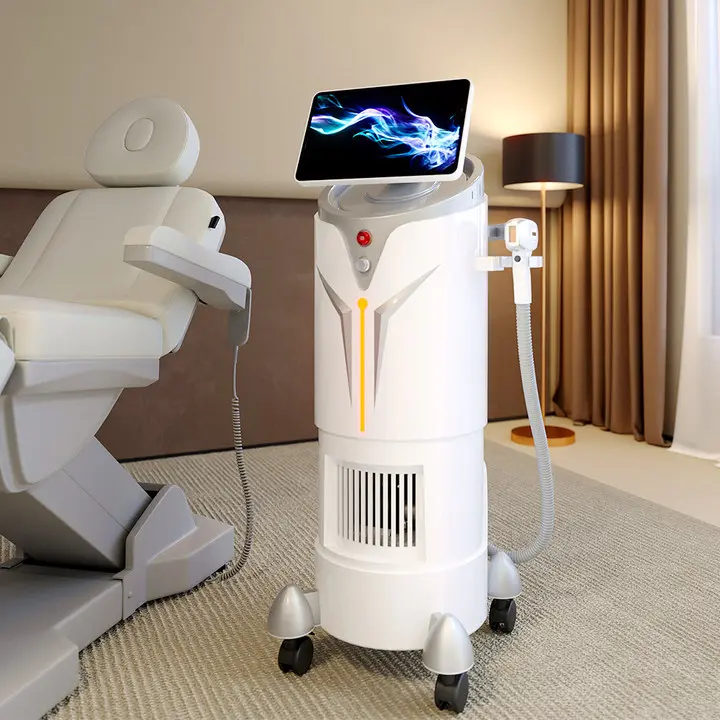
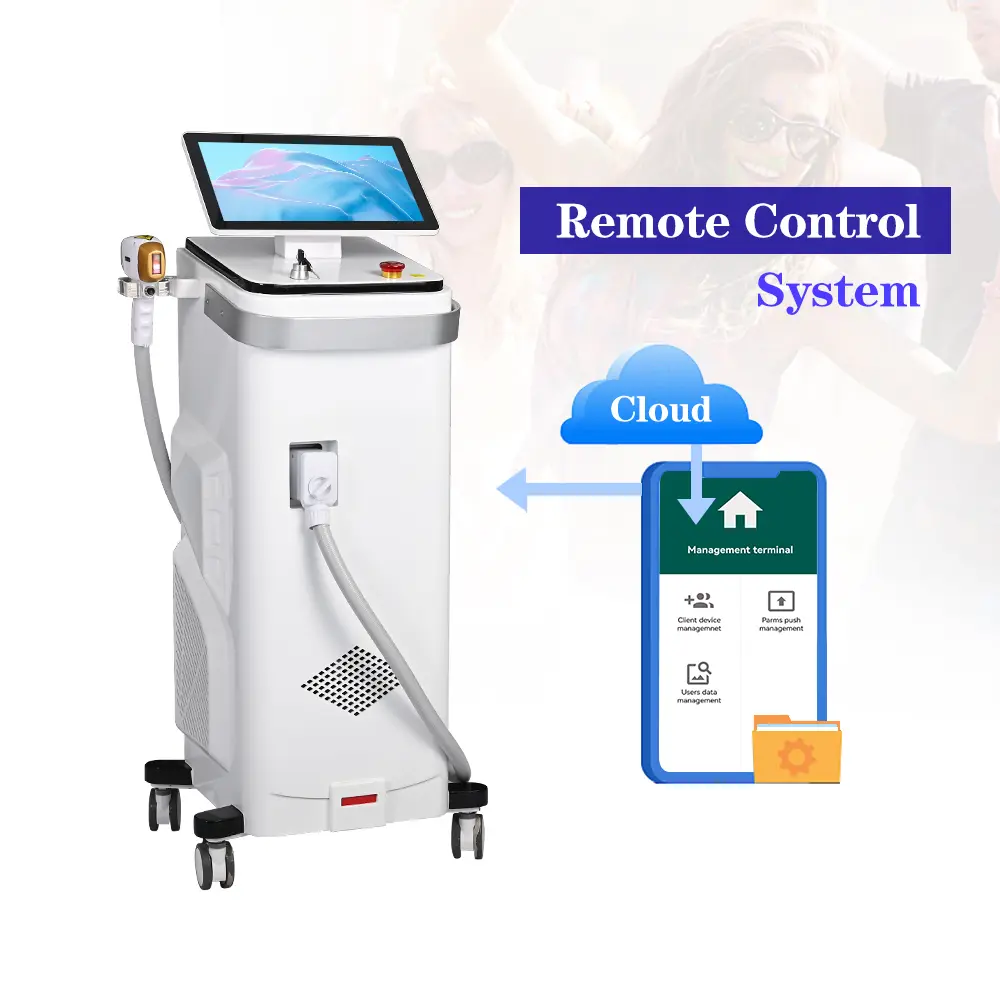
- Diode Laser Hair Removal: Premium systems available in 755nm, 808nm, and 1064nm triple wavelengths. Features include Real AI Skin Analysis and high output power from 1600W to 2000W.
- Fiber Coupled Diode Laser: 808nm setups integrated into portable and stationary chassis structures.
- Long Pulse Nd:YAG Laser: 1064nm devices designed for hair removal and vascular lesion therapies.
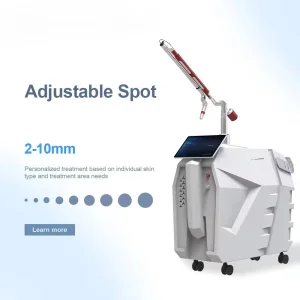
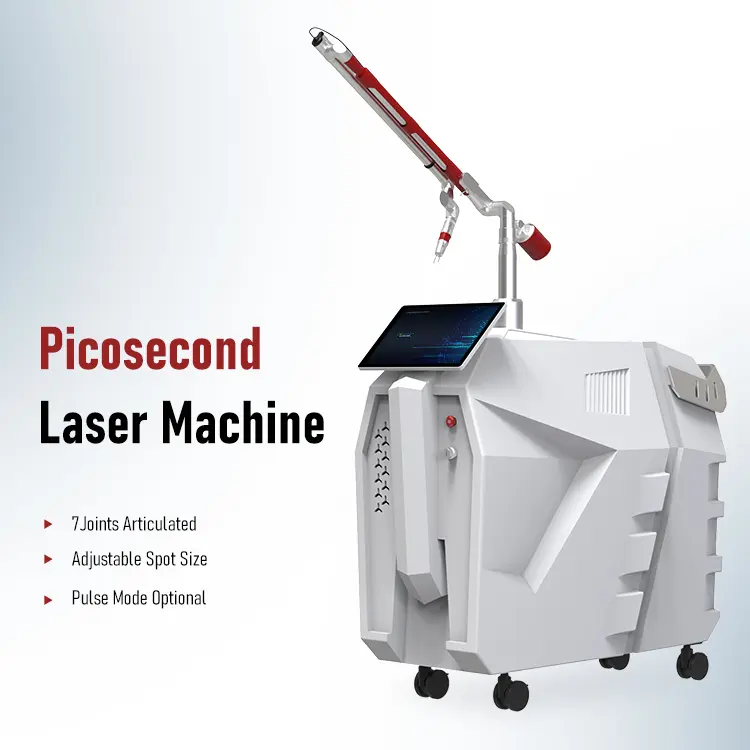
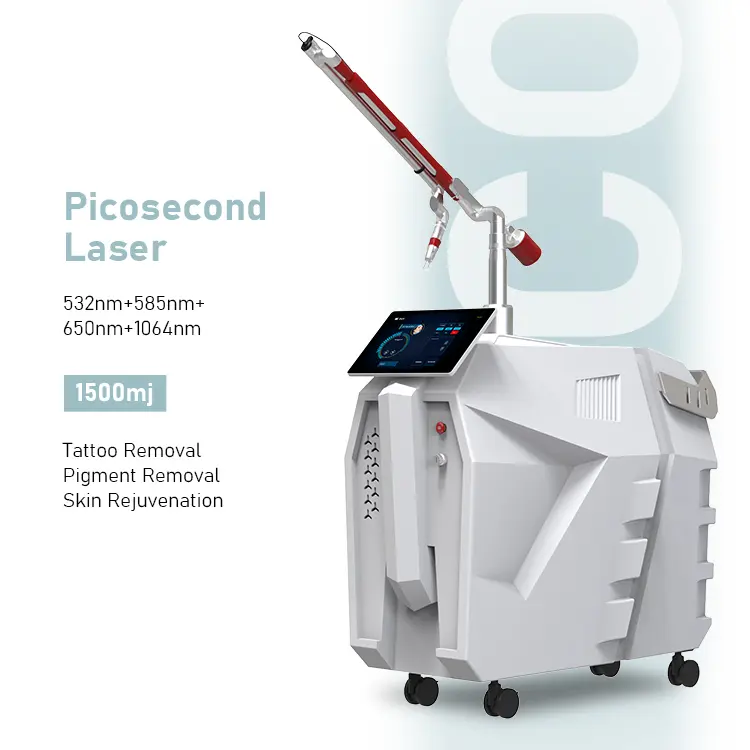
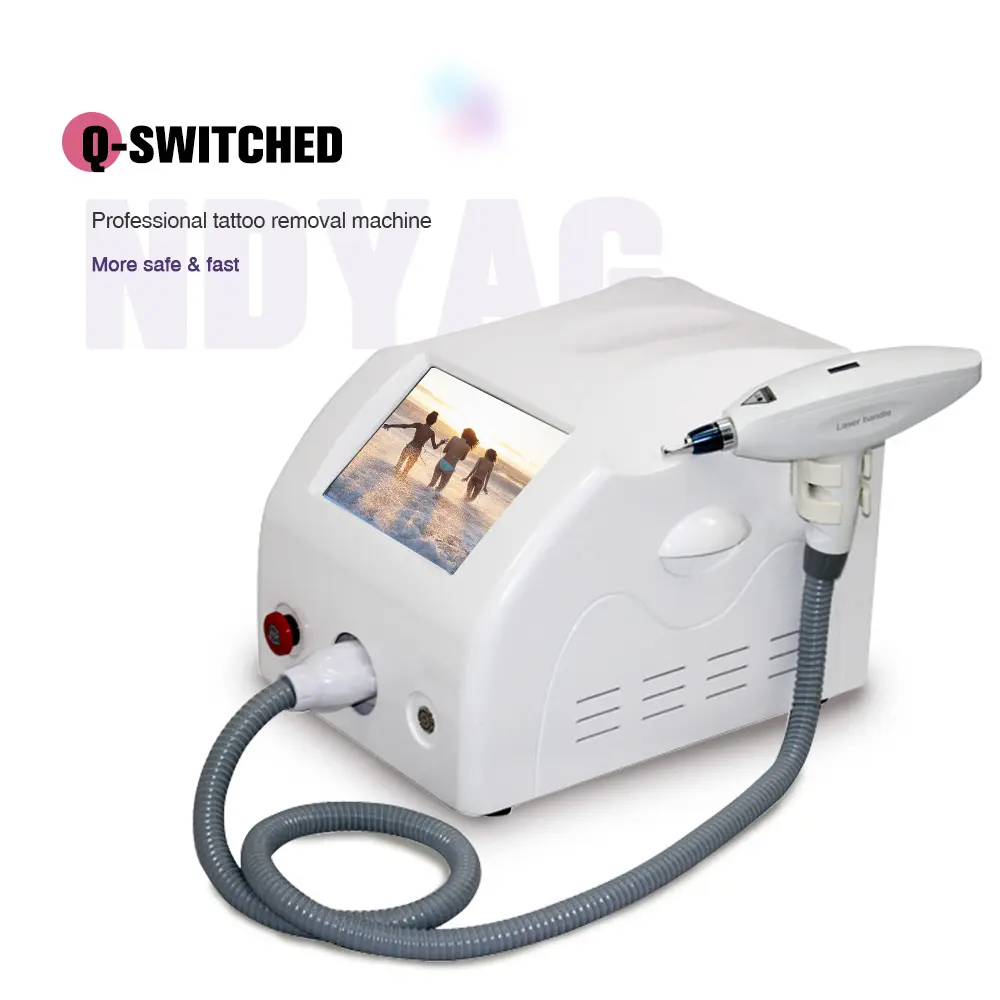
- Q-Switched Nd:YAG & Picosecond Lasers: Focused on tattoo pigment breakdown, skin brightening, and carbon peel treatments.
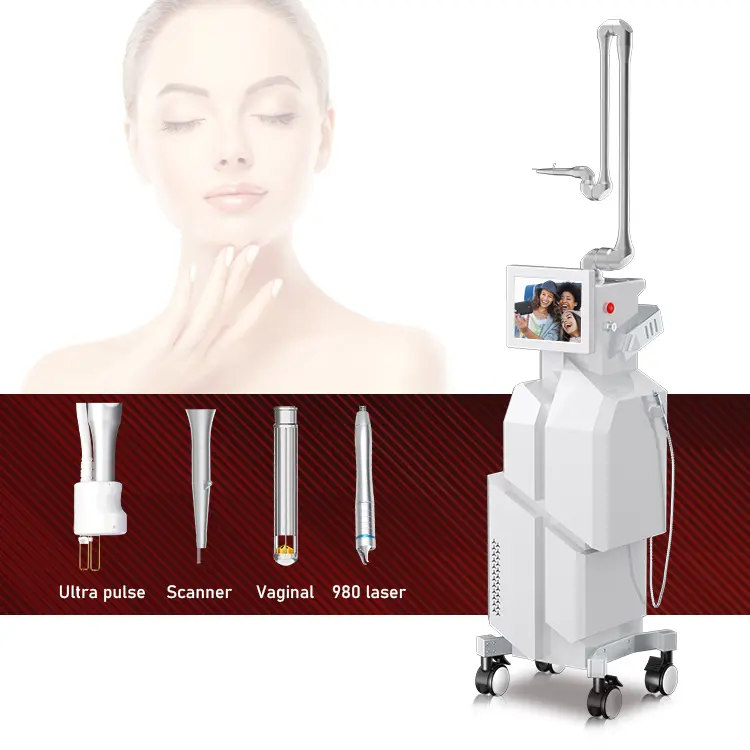
- Fractional CO2 Laser Systems: Designed for clinical skin resurfacing, scar correction, and vaginal tightening.
- Erbium Lasers: Highly precise non-ablative or minimally ablative skin remodeling tools.
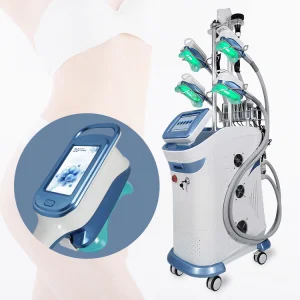
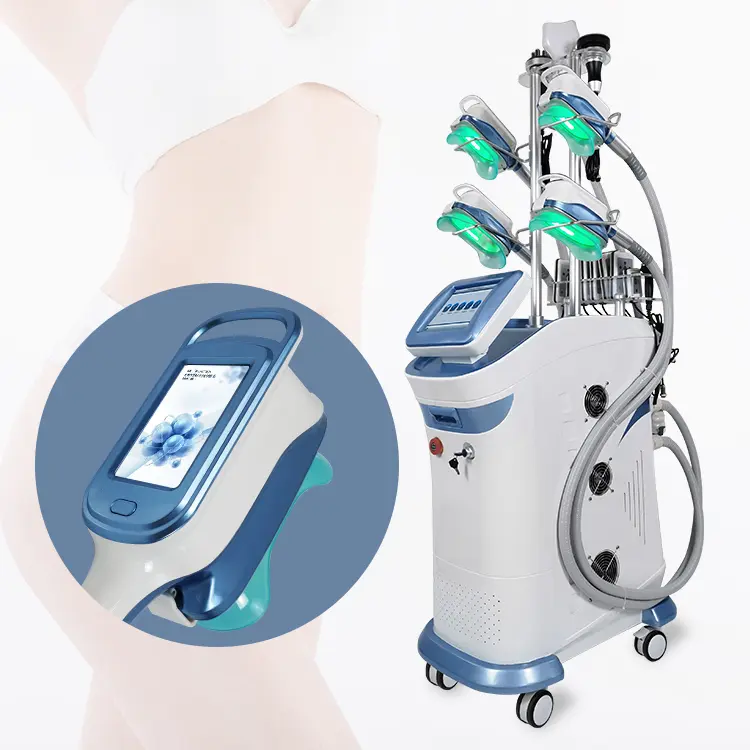
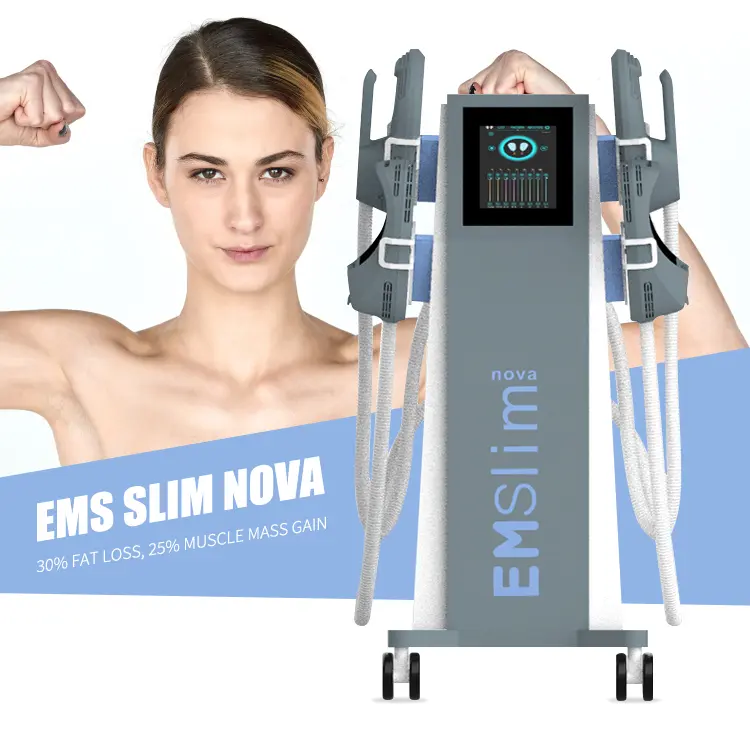
- Body Slimming & Sculpting Systems: Multi-functional systems using cavitation, vacuum, RF, cryolipolysis, and high-intensity EMS muscle stimulation.
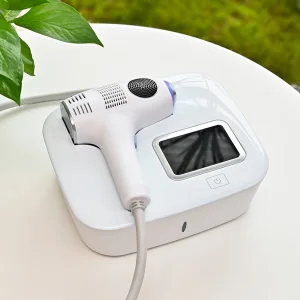
- IPL, SHR, & RF: Classic photo-treatment platforms configured with premium-grade xenon flashlamps.
- Advanced Facial Skin Care & Analysis: Systems including Hydra Magic and digital skin scanners to help track treatments.
Why Settle for Standard When You Can Build a Custom ODM Platform?
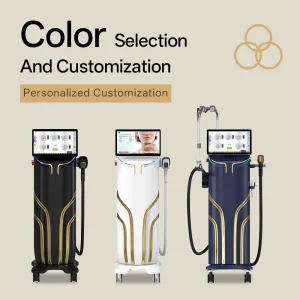
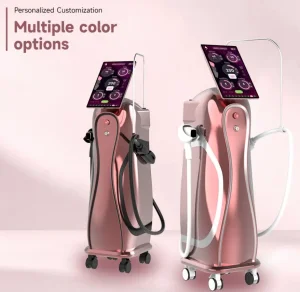
Selecting a certified manufacturer like VS LASER enables distributors to customize specifications to their target markets. From electrical tuning and housing design to wavelength filters, sapphire size modifications, and customized packaging, our team supports full OEM and ODM services. This capability helps B2B clients build unique product portfolios and establish strong market differentiation.
Featured Product Configurations & Top Ranks
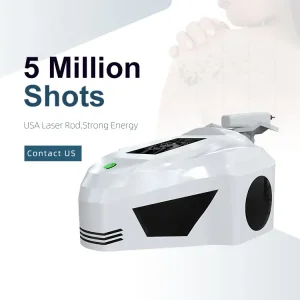
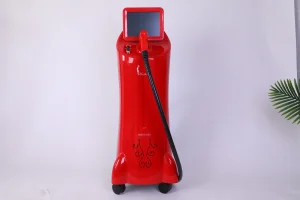
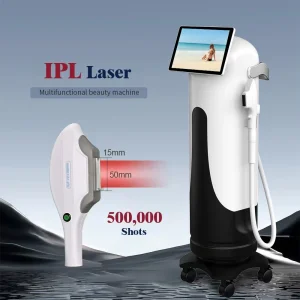
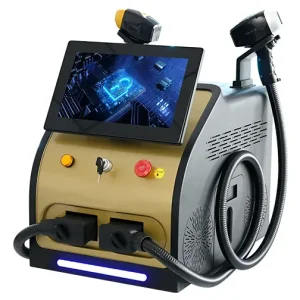
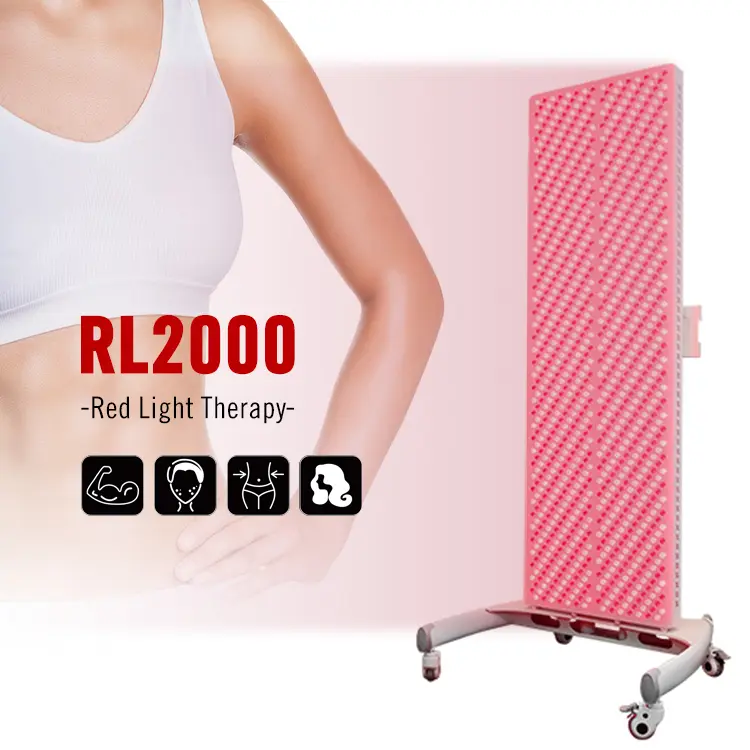
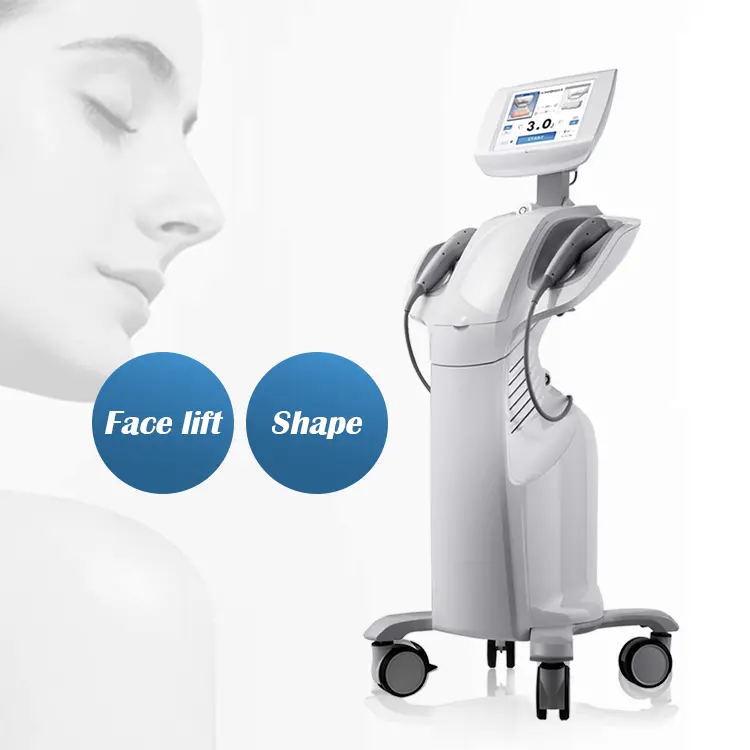
Our top-performing product models are integrated with high-efficiency xenon flashlamps and advanced diode stacks to ensure maximum stability and treatment results:
Frequently Asked Questions (FAQ)
Technical answers, B2B procurement queries, and engineering guidance.
1. What factors affect the lifetime of an ODM IPL xenon flashlamp?
The operational life of an IPL xenon flashlamp is determined by the quality of the quartz glass tube, electrode sputtering rates, gas pressure, and cooling efficiency. Sputtering occurs when tungsten from the electrodes vaporizes and deposits on the inner quartz surface, reducing energy transmission. Factories like VS LASER reduce sputtering by using high-purity thoriated or ceriated tungsten electrodes and German-engineered Heraeus quartz, ensuring consistent output across up to 1,000,000 pulses.
2. How do I calculate the return on investment (ROI) for replacement IPL lamps?
To determine the ROI, divide the cost of the replacement handpiece or lamp by the guaranteed shot lifetime to get the "cost-per-shot". For example, a $300 lamp rated for 1,000,000 shots has a cost-per-shot of $0.0003. When evaluating suppliers, compare this cost-per-shot against the machine's clinical efficacy; a cheaper lamp with a higher rate of energy degradation may require more passes per treatment, reducing clinic throughput and client satisfaction.
3. Why is water purification essential for water-cooled IPL machines?
Most clinical IPL systems rely on water-cooled handpieces. Using standard tap water introduces dissolved minerals that can deposit on the hot quartz glass envelope. These deposits form a thermal barrier, causing localized overheating and eventual micro-fractures in the glass. Sourcing partners should always advise clients to use deionized or distilled water, and systems should feature built-in water quality and flow sensors to protect the light engine.
4. What is the standard turnaround time for custom ODM IPL lamp development?
For custom ODM projects requiring unique dimensions, electrode modifications, or specialized connectors, the engineering phase typically takes 2 to 4 weeks. Following prototype approval and electrical testing, volume manufacturing takes 3 to 5 weeks depending on order size. Standard configurations are often kept in stock at our manufacturing facility in Weifang, enabling rapid dispatch.
5. What warranties and after-sales support do Chinese factories provide?
DFBEAUTY and VS LASER offer a comprehensive 2-year warranty on aesthetic laser platforms, along with lifetime technical assistance. Our support team operates 24/7 to help resolve troubleshooting questions, send replacement modules, and provide structural diagnostic advice to maintain clinical uptime.
6. Can I upgrade my standard IPL system to an SHR (Super Hair Removal) system?
Upgrading to SHR requires modifications to both the power supply and handpiece cooling. Traditional IPL systems release high energy in single, long pulses. SHR systems emit multiple rapid pulses (typically 1–10 Hz) at lower energy densities. This mode requires a fast-recharge capacitor board, active water circulation, and a heavy-duty xenon lamp designed for high thermal loads.
7. How do I verify if an IPL lamp meets European Medical CE requirements?
To confirm Medical CE (MDR) compliance, request the official Declaration of Conformity and the certificate issued by an EU Notified Body (such as TUV SUD or SGS). The documentation must display the correct CE marking along with the Notified Body's 4-digit identification number. Additionally, ensure the manufacturer's testing records show compliance with relevant safety and electromagnetic compatibility standards.
Specialist Aesthetic Platforms & Spares Portfolio
Engineered for durability, clinical efficacy, and high ROI. Select from our global wholesale pricelist catalog.