
The demand for Diode Laser Medical equipment is steadily increasing in the global healthcare market. According to a recent industry report by Research and Markets, the global diode laser market is expected to reach $2.5 billion by 2025, reflecting a compound annual growth rate (CAGR) of 5.6%. This growth is driven by advancements in laser technology and the rising preference for minimally invasive procedures among patients.
Diode laser systems offer numerous advantages, including precision, efficiency, and reduced recovery times. Medical professionals note that these lasers are versatile, with applications in dermatology, ophthalmology, and surgical procedures. However, challenges remain in ensuring consistent quality across different manufacturers. Buyers must navigate a market filled with varied customer reviews and technical specifications, which can complicate purchasing decisions.
Choosing the right Diode Laser Medical equipment involves careful consideration of various factors. Attributes such as power output, wavelength, and delivery systems affect clinical outcomes. As the industry evolves, ongoing education and training are essential for practitioners to stay current. Neglecting these aspects can lead to suboptimal results and potential safety risks for patients.
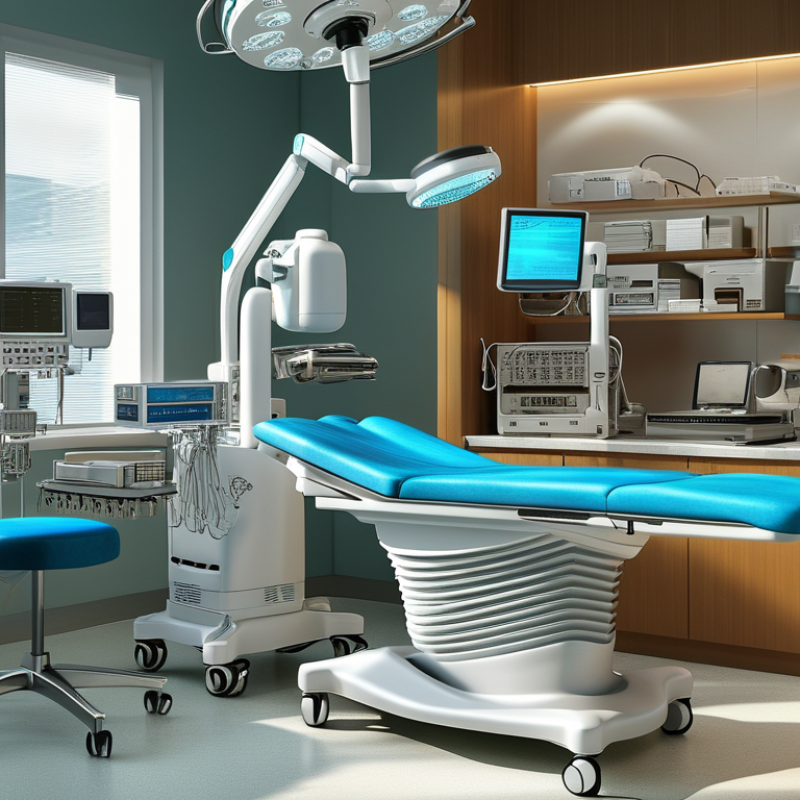
Diode laser technology has transformed medical applications in recent years. These devices emit a focused beam of light, targeting tissues with precision. This is particularly beneficial in dermatology, where diode lasers treat conditions like acne and rosacea effectively. The ability to adjust settings for varying skin types demonstrates the versatility of this technology.
In surgical settings, diode lasers facilitate minimally invasive procedures. Surgeons appreciate the reduced bleeding and faster recovery times. However, proper training is essential. Users must understand the specific wavelengths for different applications. Implementing this technology requires experience and knowledge to ensure patient safety.
Despite their advancements, diode lasers are not without challenges. Some practitioners may face limitations with tissue penetration depth. Reflecting on these aspects is critical for continuous improvement in medical practice. Adapting to new technologies can enhance patient outcomes, if approached thoughtfully.
When selecting diode laser medical equipment, understanding key features is crucial. These devices commonly offer precision and versatility in various medical applications. Look for options that provide adjustable wavelengths. This flexibility allows practitioners to customize treatments for different skin types or conditions. Advanced cooling systems can enhance patient comfort during procedures. Proper thermal management is vital for ensuring safety and effectiveness.
The user interface plays a significant role in ease of use. Intuitive controls can lead to more efficient procedures. It is essential to assess the overall build quality of the equipment. Durable materials often correlate with prolonged device life. However, it’s important to note that complicated maintenance routines can deter some users.
Safety features should never be overlooked. Integrated settings to prevent overheating or skin damage are important. Field experts often emphasize the importance of training for operators. Even the best equipment can pose risks without proper usage knowledge. In considering these aspects, buyers should engage in thorough research and discussions with professionals in the field. Each decision should reflect the unique needs of their practice, ensuring both patient safety and treatment efficacy.
This bar chart illustrates the global demand for various types of diode laser medical equipment, showcasing significant applications in skin treatment, hair removal, tattoo removal, teeth whitening, and pain management.
When exploring diode laser medical equipment, understanding the top brands and manufacturers is vital. Various companies globally offer a range of diode laser devices tailored for multiple medical applications. These brands are recognized for their innovation and quality. They produce systems for skin treatments, hair removal, and even dental procedures. Each device is designed to provide precision and safety, making them suitable for different treatment modalities.
Manufacturers often invest in research and development. This ensures their products meet stringent safety and efficacy standards. However, not all devices live up to these expectations. Some users may find inconsistency in performance. This highlights the need for thorough research and comparative analysis before making a purchasing decision. Studying user reviews and clinical outcomes can guide buyers in selecting the best options available. By focusing on reliable sources of information, medical practitioners can make better choices tailored to their specific needs.
Diode lasers are gaining traction in the medical industry due to their unique advantages. These devices emit light at specific wavelengths, allowing targeted treatments. According to a recent market report, the global diode laser market is expected to grow at a compound annual growth rate of 12% from 2023 to 2030. This growth reflects their increasing popularity compared to other laser technologies, such as CO2 and Nd:YAG lasers.
One significant benefit of diode lasers is their efficiency. They often require less energy to deliver effective treatments. For instance, they can achieve precise tissue interactions while minimizing damage to surrounding areas. Expert studies suggest that diode lasers can reduce recovery times significantly. However, some practitioners question the versatility of diode lasers. They may not perform as well in certain applications compared to their counterparts. For example, CO2 lasers excel in skin resurfacing procedures.
Cost is another factor influencing equipment decisions. Diode lasers typically involve lower maintenance costs over time. Data indicates that clinics can save around 20% on operational expenses when using diode technology. Some professionals highlight that initial investment can be high. Thus, careful evaluation is essential. Understanding the specific needs of a practice can aid in deciding which technology truly fits. Balancing treatment effectiveness, costs, and application versatility remains crucial for buyers.
The demand for diode laser medical equipment is on the rise. This surge is attributed to advancements in technology and greater efficiency in treatments. Medical professionals worldwide are increasingly adopting diode lasers for procedures in dermatology, ophthalmology, and surgery. These devices offer precision and minimal recovery time, making them appealing to both practitioners and patients.
Tips: When selecting diode laser equipment, consider the capabilities and features that meet your specific needs. Look for suppliers with a solid reputation in the industry. This helps ensure reliable performance and support.
: Diode laser technology emits a focused beam of light, targeting tissues with precision.
They effectively treat skin conditions like acne and rosacea with adjustable settings for various skin types.
They facilitate minimally invasive procedures, reducing bleeding and promoting faster recovery.
Yes, proper training is essential for understanding specific wavelengths and ensuring patient safety.
Yes, some practitioners may encounter limitations with tissue penetration depth.
Not all devices meet safety and efficacy standards; some may show performance inconsistencies.
They should study user reviews and clinical outcomes to guide their purchasing decisions.
Buyers need to rely on reliable sources of information tailored to their specific needs.
Yes, adapting to new technologies thoughtfully can enhance outcomes in medical practice.
Reflecting on its challenges and effectiveness is critical for continuous improvement in practice.
The article "Top Diode Laser Medical Equipment for Global Buyers" provides a comprehensive overview of diode laser technology and its growing significance in various medical applications. It starts by explaining the fundamentals of diode laser technology and highlights its advantages over traditional laser systems, such as efficiency and versatility in treatments. Key features to consider when purchasing diode laser medical equipment are also discussed, helping buyers make informed decisions.
Furthermore, the article identifies major brands and manufacturers of diode laser devices, along with a comparative analysis of diode lasers versus other laser technologies, underscoring their unique benefits. Additionally, it examines global market trends and the increasing demand for diode laser medical equipment, indicating a shift towards more advanced and effective treatment modalities in the healthcare sector. Overall, the insights provided aim to assist global buyers in navigating the diode laser medical equipment landscape effectively.

Venus Laser