
7 Tips for Choosing the Best Diode Laser Epilator

Time:2026-09-07 Author:Henry
0%

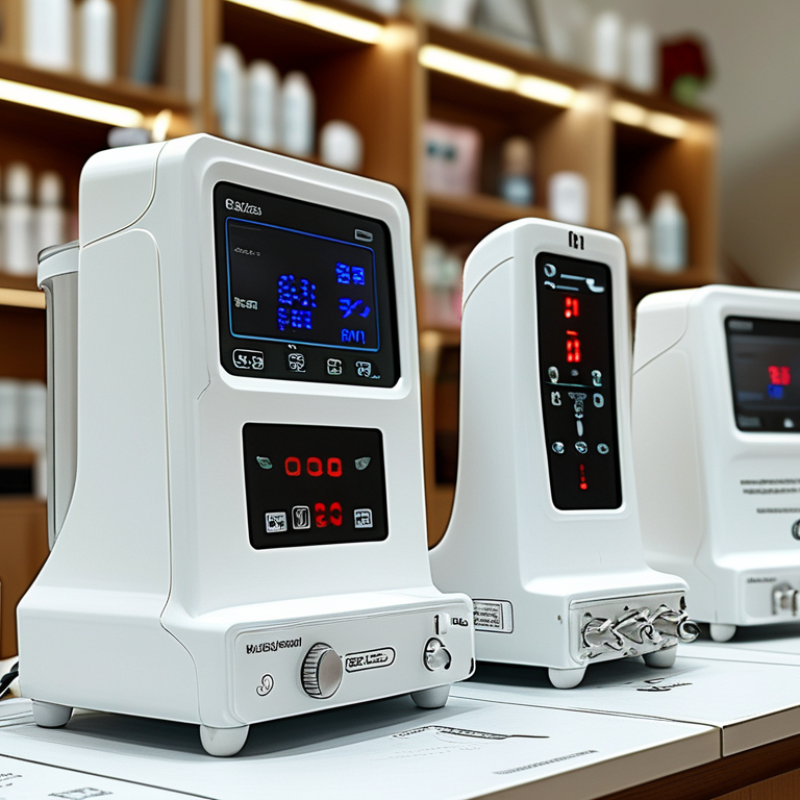
Choosing a Diode Laser Epilator can feel like comparing identical white devices on a crowded shelf. Their screens may glow, fans may hum, and product pages may promise “salon results.” Yet performance depends on details hidden beneath the casing.

A reliable choice begins with the device’s technical identity. Some products use broad marketing language and are not true diode lasers. Check the stated wavelength, energy settings, pulse design, and treatment window. A qualified dermatologist or trained laser professional can help assess whether the technology suits your skin tone and hair color. Skin sensors matter. So do cooling systems, eye protection guidance, and published safety instructions.

Your routine also deserves attention. A comfortable handle may matter more than an impressive maximum setting. Look for independent testing, clear contraindications, realistic treatment schedules, and a responsive warranty team. Regulatory clearance or certification should be verified in your region, not assumed from a logo.

Small details decide long-term satisfaction.

I have seen buyers focus on power alone, then regret ignoring heat, patch testing, or replacement costs. That mistake is easy to make. Even a well-designed device may produce uneven results on gray, red, or very light hair. Results can also vary across the legs, underarms, and bikini area because hair growth cycles differ.

This guide examines seven practical considerations for choosing a Diode Laser Epilator. It avoids exaggerated promises and focuses on evidence, usability, and safe decision-making. You may still need professional advice. That is not a weakness; it is sensible.
7 Tips for Choosing the Best Diode Laser Epilator

Understanding How Diode Laser Epilators Work

Understanding how a diode laser epilator works makes choosing one less confusing. The device sends concentrated light into the hair follicle. Melanin absorbs this energy and changes it into heat. That heat can weaken the follicle and slow future growth. It does not remove every hair permanently after one session.

Hair responds best during its active growth phase. Different hairs enter this phase at different times. Therefore, several treatments are usually needed. A practical buying tip is to check the device’s wavelength, energy settings, pulse control, and cooling system. Adjustable settings matter because skin tone, hair color, and body area vary. Stronger is not always better.

A suitable device should feel warm, not sharply painful. Cooling can reduce discomfort and protect the skin surface. Always perform a small patch test before treating a larger area. Follow the user instructions carefully, especially around recently tanned skin, tattoos, or irritated areas. Darker skin may require more cautious settings because surrounding melanin can absorb laser energy. Very light, gray, red, or white hair may respond poorly because it contains less target pigment. This is often overlooked.

Professional guidance is sensible when skin conditions, medication, or unusual reactions are involved. Check whether safety information is clear and whether the controls prevent accidental overuse. Results also depend on technique, patience, and realistic expectations. Some buyers focus only on power ratings. That can be a mistake. Convenience, skin compatibility, and consistent use may matter more.

Identifying Your Skin Tone and Hair Type

7 Tips for Choosing the Best Diode Laser Epilator

Identifying Your Skin Tone and Hair Type

Your skin tone and hair type determine how a diode laser epilator may perform. Dermatologists commonly use the Fitzpatrick scale, which classifies skin into six phototypes according to sun response. Fair skin may burn easily, while deeper skin tones contain more melanin. That pigment can absorb laser energy intended for the hair follicle, increasing the risk of temporary redness or darkening.

Hair color matters just as much. Dark brown or black hair usually contains more melanin and absorbs diode laser energy efficiently. Blonde, red, gray, and white hair may respond poorly because they contain less usable pigment. The American Academy of Dermatology Association reports that laser hair removal works best when hair is darker than the surrounding skin. However, results vary. Individual biology can be inconvenient.

Check your skin in natural daylight, not under a warm bathroom bulb. Compare your untanned skin, especially near the treatment area. A professional consultation is safer for very dark, recently tanned, or sensitive skin. The Fitzpatrick classification is useful, but it is not perfect. Some people sit between categories, and home devices may use different safety limits.

Look for adjustable intensity, skin-contact sensors, and clear testing instructions. Test a small patch first, then wait 24 hours. A 2023 review in the Journal of Cosmetic Dermatology noted that treatment outcomes depend on hair thickness, growth cycle, and device settings, not skin tone alone. Shaving can help the light reach the follicle, while waxing removes the target below the surface. That detail is easy to miss.

Comparing Laser Wavelengths and Treatment Performance

7 Tips for Choosing the Best Diode Laser Epilator

Laser wavelength strongly influences treatment performance. A 755 nm wavelength targets melanin efficiently, so it may perform well on fine, lighter hair. However, it can increase epidermal heating on deeper skin tones. An 810 nm diode wavelength offers a practical balance between follicle absorption and skin protection. A 1064 nm wavelength penetrates more deeply and is often considered for darker skin, although it may require more sessions or higher treatment precision.

The American Academy of Dermatology reports that laser hair reduction commonly requires six or more treatments, with maintenance often needed. A 2023 review in Lasers in Medical Science found that diode-based systems produced substantial long-term reduction, but results varied with hair thickness, skin type, fluence, and treatment intervals. Numbers can mislead. A device claiming permanent results deserves careful questioning. Look for adjustable pulse duration, real-time cooling, calibrated energy output, and clear skin-tone guidance. Test patches matter. Very short sessions are not automatically better. A slower pass with consistent contact may improve coverage and reduce missed strips. Check the evidence, not only the wavelength printed on the box.

Checking Safety Features, Comfort, and Ease of Use

Choosing a diode laser epilator requires more than comparing power levels. Check for a skin-contact sensor, automatic shutoff, and adjustable intensity settings. These features can prevent accidental flashes and reduce irritation. A patch test on a small area is essential, even when the device seems gentle. Wait 24 hours and inspect the skin carefully. Do not treat irritated, sunburned, or wounded skin.

Comfort affects whether you will use the device consistently. Look for a cooling surface, a manageable handle, and a treatment window that fits your chosen area. Excessive heat, loud fan noise, or a heavy cable can make a short session feel surprisingly long. Lower settings may feel more comfortable, but they may also require more sessions. That trade-off is easy to overlook.

Ease of use includes clear instructions, simple controls, and easy cleaning. A visible skin-tone guide can reduce guesswork, while a memory function may help maintain steady settings. Use suitable eye protection if the instructions recommend it, and never aim flashes near the eyes. People using photosensitising medication or managing a skin condition should ask a qualified healthcare professional before treatment. One imperfect detail deserves attention: “professional” results are not guaranteed at home. Hair colour, skin tone, hormones, and treatment habits can change outcomes. A device that feels safe and practical is often more valuable than one with impressive specifications.

7 Tips for Choosing the Best Diode Laser Epilator

The checklist groups seven practical evaluation points into safety, comfort, and ease of use. Use these criteria to compare devices consistently rather than relying only on appearance or price.

Safety — 3 checks

Skin-tone sensing, contact or trigger interlock, and suitable eye protection.

Comfort — 2 checks

Integrated cooling and adjustable pulse or energy settings.

Ease of use — 2 checks

Clear controls and an ergonomic applicator designed for steady handling.

The values show the number of checklist items in each category, not clinical effectiveness or a ranking of specific products.

Evaluating Device Quality, Maintenance, and Overall Value

7 Tips for Choosing the Best Diode Laser Epilator

Evaluate the diode wavelength, cooling system, and treatment window before comparing prices. A 2024 Fortune Business Insights report valued the global laser hair removal market at about USD 1 billion in 2023. That growth increases choice, but also creates uneven quality. Check whether the device provides clear technical specifications, tested energy ranges, and safety documentation. Prefer adjustable settings over one fixed intensity. Skin tone sensors can reduce user error, although they do not replace professional judgment.

Inspect the handpiece, cable, display, and cooling contact area. Small cracks or loose connectors can become expensive problems. Ask about replacement parts, calibration intervals, warranty coverage, and service response times. The U.S. FDA explains that clearance generally indicates substantial equivalence, not guaranteed results. Therefore, review clinical evidence rather than trusting marketing language. Look for published treatment data, study methods, and follow-up periods. Short claims need scrutiny. Maintenance records matter.

Calculate total value using consumables, technician training, electricity, and downtime. IEC 60601-based electrical safety testing is a useful quality reference for medical electrical equipment. It does not prove performance alone. Test the device on a limited area, record comfort, redness, and recovery time, then compare results across sessions. My own preference would be measurable consistency, not the strongest flash. That judgment can change. Results vary with hair color, density, skin type, and treatment discipline. A cheaper unit may cost more when cooling fails or calibration drifts.

7 Tips for Choosing the Best Diode Laser Epilator - Evaluating Device Quality, Maintenance, and Overall Value

No. Evaluation Tip What to Check Practical Quality Indicator Maintenance Consideration Value Assessment
1 Verify the laser specification Confirm that the device uses a diode-laser wavelength suitable for its intended treatment. Common professional systems operate around 755 nm, 808 nm, or 1064 nm, depending on the configuration. The manufacturer clearly states wavelength, fluence, pulse duration, spot size, and cooling method instead of advertising only a high wattage figure. Technical specifications should include replaceable cooling components, service access, and operating-temperature limits. Compare the specification with the treatment area, hair characteristics, and intended user profile. A higher power rating alone does not prove better results or safety.
2 Assess skin and hair compatibility Check the supported skin-tone range, hair-color limitations, built-in skin sensors, adjustable energy levels, and recommended treatment settings. The user manual provides a test-patch procedure, contraindications, eye-protection guidance, and clear instructions for different skin and hair conditions. Sensors and cooling windows should be cleaned and checked regularly so that readings and skin contact remain reliable. A device with suitable adjustment controls may offer better usable value than a more powerful model that cannot be safely configured for the target skin type.
3 Evaluate cooling and safety controls Review contact cooling, temperature monitoring, emergency shut-off, eye-protection requirements, key-lock functions, and treatment-head contact sensors. The device prevents or limits firing when the handpiece is not positioned correctly or when operating temperature exceeds the stated range. Cooling plates, air filters, vents, and contact surfaces require cleaning or replacement according to the service schedule. Effective cooling can improve treatment comfort and consistency, but it should not be used as a substitute for correct settings, training, or protective equipment.
4 Check build quality and ergonomics Inspect handpiece balance, cable strain relief, screen readability, control responsiveness, treatment-head durability, and the stability of the base unit. The device has a documented duty cycle, consistent pulse delivery, durable connectors, and an interface that records or displays key treatment parameters. A robust design reduces downtime caused by damaged cables, loose connectors, cracked windows, or overheating during repeated sessions. Consider expected treatment volume. A higher purchase price may be justified when construction quality reduces repairs and service interruptions.
5 Review maintenance requirements Identify daily cleaning tasks, filter replacement intervals, cooling-fluid requirements, calibration procedures, software updates, and recommended preventive service. The supplier provides a written maintenance schedule, fault-code list, cleaning instructions, and authorized repair procedures. Routine care should be achievable without opening the device or exposing users to electrical, optical, or cooling-system hazards. Estimate total ownership cost by adding consumables, service visits, replacement parts, training, and likely downtime to the initial purchase price.
6 Confirm documentation and compliance Look for applicable electrical, laser-safety, electromagnetic-compatibility, and medical-device documentation required in the intended country or region. The model has traceable technical records, operating instructions, risk information, warranty terms, and service contacts. Service manuals and replacement-part availability should be documented rather than dependent on informal technical support. Compliance documentation reduces operational and liability risks. Certifications should be verified for the exact model and market, not assumed from generic marketing claims.
7 Calculate overall value and support Compare purchase price, expected service life, treatment speed, warranty duration, training, response time, replacement-part costs, and resale or upgrade options. The supplier provides realistic treatment protocols, measurable performance information, transparent warranty exclusions, and accessible technical support. A clear service network and reasonable repair turnaround can be more important than a long list of advanced features. Use total cost per expected treatment session or per year of operation. Choose the model that delivers dependable, safe, and supportable performance for the intended workload.

Note: Diode-laser epilation should be performed according to the device manual and applicable local safety requirements. A qualified operator should assess contraindications and perform a test patch before full treatment.

FAQS

: How does wavelength affect diode laser hair reduction?

: A 755 nm wavelength targets melanin strongly and may suit fine, lighter hair. An 810 nm wavelength offers a balanced option for absorption and skin protection. A 1064 nm wavelength reaches deeper tissue and may suit darker skin. Results vary.

How many treatments are usually needed?

Many people need six or more treatments. Maintenance sessions may still be necessary. Hair thickness, skin type, energy level, and treatment intervals affect results. Permanent results should be questioned carefully.

What safety features should a home device include?

Look for a skin-contact sensor, automatic shutoff, and adjustable intensity. Cooling can reduce discomfort and surface heat. Clear skin-tone guidance may reduce user mistakes. Safety features matter.

Why is a patch test important?

Test a small area before treating a larger section. Wait 24 hours and check for redness, swelling, or irritation. Do not treat sunburned, wounded, or irritated skin. Patch tests matter.

How can treatment comfort affect results?

A manageable handle, cooling surface, and suitable treatment window improve consistency. Excessive heat, loud fans, or heavy cables can discourage regular use. Lower intensity may feel easier but require more sessions. Comfort counts.

What should users know about treatment near the eyes?

Never aim flashes directly near the eyes. Use suitable eye protection when the instructions recommend it. Follow the device guidance closely. Do not improvise.

How can buyers judge device quality?

Check technical specifications, tested energy ranges, and safety documentation. Inspect the handpiece, cable, display, and cooling contact area. Small cracks or loose connectors may become costly problems. Marketing claims are not enough.

How should overall value be calculated?

Consider purchase price, replacement parts, electricity, maintenance, training, and downtime. A cheaper device may cost more if cooling fails or calibration changes. Record redness, comfort, and recovery after each session. Consistency matters more than maximum power.

Can home treatment guarantee professional-looking results?

No device can guarantee identical results at home. Hair colour, density, hormones, skin tone, and treatment habits all influence outcomes. People using photosensitising medication or managing skin conditions should consult a qualified healthcare professional. My judgment may change.

Conclusion

Choosing the right Diode Laser Epilator starts with understanding how diode laser technology targets hair follicles and why consistent treatments are important for long-term hair reduction. Before purchasing, identify your skin tone and hair type, since treatment suitability and expected results can vary. Compare laser wavelengths and performance carefully, focusing on how effectively the device works across different areas and hair textures rather than relying only on advertised power.

Safety, comfort, and ease of use are also essential considerations. Look for features such as adjustable intensity settings, skin-contact sensors, cooling functions, and clear operating instructions. A quality device should be durable, easy to clean, and simple to maintain. Finally, evaluate the overall value by considering treatment coverage, operating convenience, warranty support, and long-term reliability. By balancing performance, safety, comfort, and build quality, you can choose a Diode Laser Epilator that better matches your personal needs and treatment expectations.

Henry

Henry

Henry is a dedicated marketing professional with a profound expertise in the company's offerings. With years of experience in the industry, he possesses an impressive understanding of the market dynamics and consumer behaviors that drive success. Henry is committed to sharing his insights through......