
When it comes to selecting the right Portable Diode Laser, expertise is crucial. Dr. Emily Hunter, a leading expert in laser technology, emphasizes, "Choosing the right device can significantly impact your practice's success." This statement captures the essence of the decision process.
Portable Diode Lasers are now integral in various fields, including dentistry and aesthetics. Each model comes with different features, power levels, and intended uses. An informed choice ensures that you meet your specific needs. Many practitioners often overlook critical aspects, such as weight, battery life, and treatment capabilities.
You might find yourself overwhelmed by the options available. It's important to reflect on your primary goals. Consider not only the laser's functionality but also how it fits into your overall practice. A well-chosen Portable Diode Laser can enhance patient satisfaction and your professional standing.
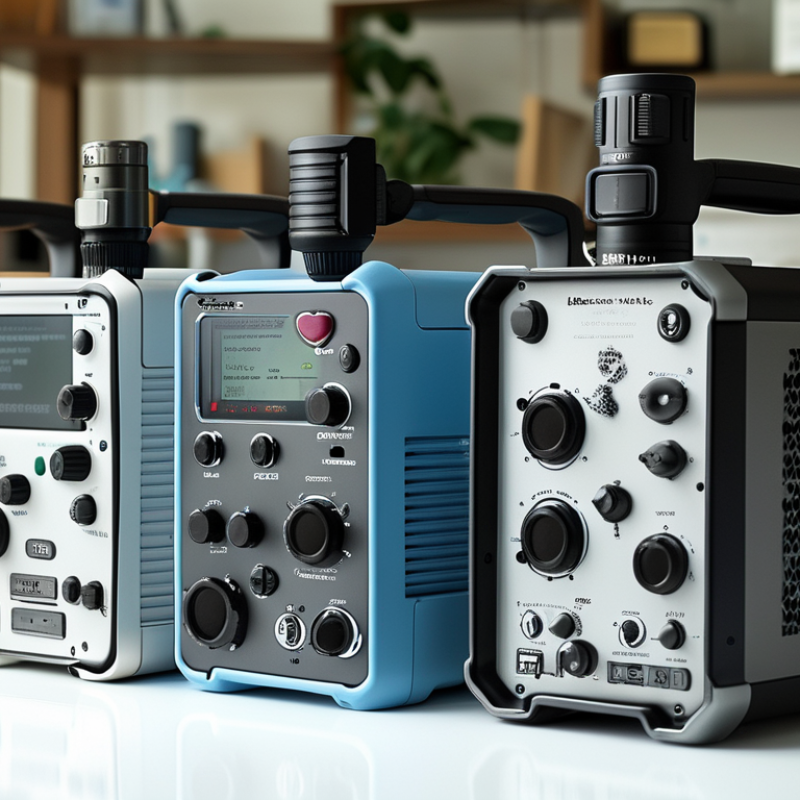
Portable diode lasers are revolutionizing aesthetic procedures. These devices offer precision and versatility. They are used for hair removal, skin rejuvenation, and acne treatment. According to industry reports, the market for laser hair removal is projected to reach $1.1 billion by 2027, highlighting the growing demand for effective and safe treatments.
Understanding the basics is essential when choosing a portable diode laser. These devices operate on selective photothermolysis, targeting specific chromophores in the skin. It is crucial to consider wavelength, spot size, and pulse duration. Each feature plays a role in treatment efficacy and comfort. Research indicates that wavelengths between 800 nm and 900 nm provide optimal results for hair removal and skin therapies.
When selecting a diode laser, consider your specific needs. Not all devices perform equally across treatments. Factors like skin type, hair color, and treatment area matter. A recent survey found that 70% of practitioners emphasize the importance of versatile devices that can accommodate various procedures. Testing and training opportunities are also vital. Being well-informed can help align your decision with your practice goals.
When selecting a portable diode laser, understanding key specifications is essential. One crucial factor is the wavelength. Different wavelengths can affect the absorption of tissue and overall effectiveness. A wavelength in the 800 to 980 nm range is common for various applications, ensuring versatility and efficiency. Don’t overlook the importance of adjustable power settings. Being able to modify the output power allows for more precise treatments, catering to individual needs.
Another key specification to consider is the device's size and weight. A lightweight and compact design enhances portability, making it easier to transport. This is especially important for practitioners who travel for treatments. Battery life is equally important. A device with longer battery life ensures uninterrupted use during busy practice days.
Pay attention to cooling systems as well. Efficient cooling mechanisms can prevent overheating, which enhances patient comfort and extends device lifespan. However, some models may struggle with heat dissipation. Moreover, consider user interface and ease of use. A complex interface can lead to mistakes during procedures. A straightforward design fosters confidence and efficiency. Assessing these specifications will guide you to a suitable choice that meets your unique needs.
When selecting a portable diode laser, the wavelength and power output are critical factors. Different wavelengths are suited for varying applications, such as hair removal, tattoo removal, or skin rejuvenation. Research indicates that the efficacy of laser treatments can vary significantly with wavelength. For instance, a study published in the Journal of Cosmetic Dermatology found that lasers operating at the 800nm to 810nm range are ideal for hair removal, producing optimal absorption by the melanin in hair follicles.
Power output is equally crucial in determining the effectiveness and safety of the laser. Higher power output can lead to faster treatment times, but it also increases the risk of skin damage if not adequately managed. According to a report by the American Academy of Dermatology, lasers with power outputs exceeding 30 watts should be operated by trained professionals to prevent complications. Additionally, the report highlights that adjusting power levels according to skin type and treatment area can enhance results and minimize discomfort.
It is important to note that not all diode lasers are created equal. Variability in design and build quality can impact performance. For example, users may find that some lasers offer consistent output while others may experience fluctuations. This inconsistency can lead to unexpected results and may require additional treatments. Evaluating the specifications and user reviews when choosing a portable laser is key to ensuring reliable performance over time.
When selecting a portable diode laser, user safety features are crucial. Research from the American Society for Laser Medicine and Surgery shows that over 30% of laser-related injuries arise from improper use or inadequate safety measures. Therefore, understanding what safety features to look for is vital. Key features include safety interlocks, emergency stop buttons, and appropriate wavelength indicators.
Regulatory compliance is another essential aspect. The FDA and ANSI set standards for safety in laser devices. Compliance ensures the device meets minimum safety requirements, reducing risk during operation. Most reputable manufacturers provide documentation showing adherence to these standards. It's reassuring to know that a device has undergone thorough testing. Yet, not all products on the market have complete compliance documentation. This can lead to unforeseen hazards.
User education also plays a crucial role. Training programs should accompany any laser device. While many assume they understand safety procedures, gaps in knowledge often lead to accidents. The FDA reports that structured training can significantly lower the incidence of injuries. Addressing these areas can improve safety and ensure proper usage. Investing time in understanding safety features and compliance is essential for every user.
Choosing the right portable diode laser involves more than just upfront costs. When analyzing cost-effectiveness, consider the long-term value. A more expensive model may offer superior durability and efficiency. This means fewer replacements and repairs over time, which can lead to savings.
Maintenance is another crucial aspect. Some devices require regular servicing, which adds to overall costs. It's wise to investigate whether a warranty covers potential issues. A reliable warranty reduces your financial risks, enhancing the investment's value.
Training and usability matter too. A user-friendly design can decrease training time, leading to quicker implementation. Consider how much time staff needs to adapt to the new equipment. Investing in a product that integrates seamlessly into your workflow can ultimately bring significant return on investment, although it may require higher initial spending. Balancing these factors will guide you to the best choice tailored for your needs.
: Wavelengths in the 800 to 980 nm range are commonly used for versatility and effectiveness.
Adjustable power allows for precise treatments, accommodating individual patient needs and enhancing overall outcomes.
A lightweight and compact design improves portability, making it easier for practitioners to transport for treatments.
Longer battery life ensures uninterrupted use during busy days, reducing the need for frequent recharging.
Efficient cooling prevents overheating, improving patient comfort and extending the lifespan of the device.
A complex interface can lead to mistakes, while a straightforward design boosts confidence and efficiency.
No, variability in design and quality can affect output consistency, leading to different treatment results.
Consider durability and maintenance; more expensive models may save you money over time due to fewer repairs.
A user-friendly design reduces training time, allowing staff to adapt quickly to new equipment.
A reliable warranty can mitigate financial risks and enhance the overall value of your investment in the device.
When selecting the best Portable Diode Laser for your aesthetic needs, it is essential to understand the fundamental principles underlying these devices. Key specifications such as power output and wavelength play a critical role in determining the effectiveness and safety of the laser. Users must evaluate these parameters carefully to ensure optimal performance for various aesthetic procedures.
Additionally, the importance of user safety features and adherence to regulatory compliance standards cannot be overstated, as they ensure a safe treatment environment. Finally, analyzing the cost-effectiveness and long-term value of portable diode lasers will help in making a financially sound investment. By considering these aspects, users can make informed choices that align with their specific requirements and enhance their aesthetic practice.

Venus Laser