
Choosing the right Diode Laser Cool for your needs can be overwhelming. With numerous options available, finding the perfect match requires careful consideration. Diode Laser Cool systems are known for their efficiency and precision, making them popular in various applications, including aesthetics, medicine, and industrial use.
It's essential to evaluate your specific requirements before making a decision. Factors such as wavelength, power output, and cooling technology play a vital role in performance. A powerful laser may not always be the best choice if it doesn't suit your needs. Understanding these nuances can enhance your experience and results.
Additionally, consulting experts and user reviews can shed light on potential pitfalls. Not every Diode Laser Cool is ideal for every application. Take time to research and reflect on what works best for you. This approach can save you both time and money in the long run.
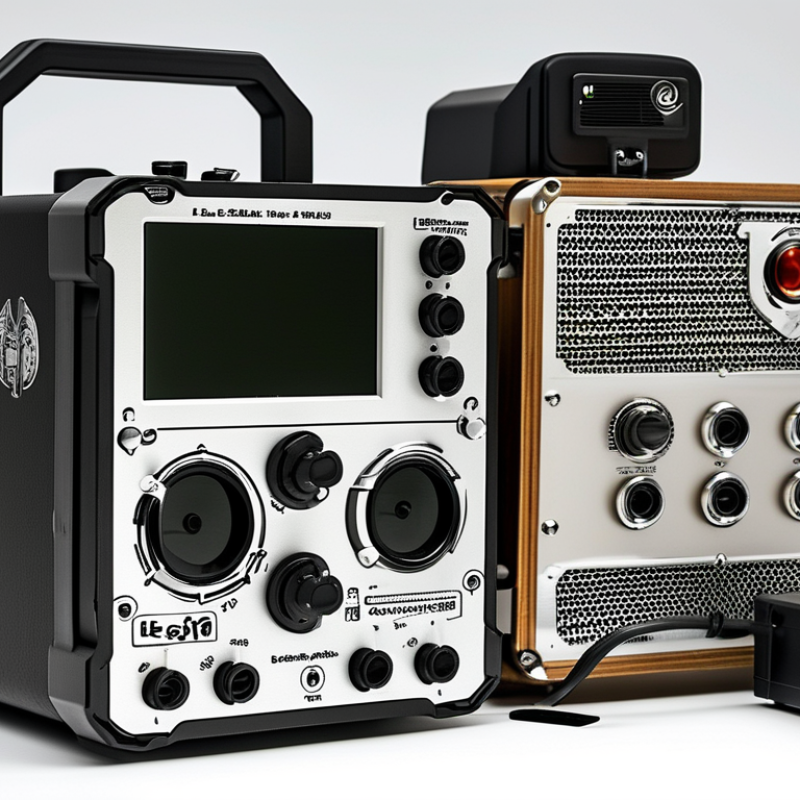
Diode laser technology has transformed various fields, including medical and industrial applications. Understanding how it works is essential for making informed choices. Diode lasers operate based on semiconductor materials. When current flows through these materials, they emit light. This light is coherent and can be focused tightly, making diode lasers highly effective.
One core advantage of diode lasers is their compact size. They are lighter and smaller than other laser types. This compactness allows for portable applications. However, this also means that cooling systems can be more critical. Insufficient cooling can lead to overheating and reduced performance. It's important to assess your specific needs to select the right cooling solution.
The wavelength of diode lasers is another factor to consider. Different wavelengths interact with tissues and materials in various ways. For instance, a shorter wavelength might be better for precision tasks, while longer wavelengths can penetrate deeper. This knowledge can influence your choice of laser for specific tasks. There's a fine balance between technical specifications and application requirements that must be carefully addressed.
When choosing a diode laser cool, identifying your specific cooling requirements is crucial. Proper cooling is essential for optimal laser performance and longevity. According to a recent industry report, improper cooling can reduce a laser's efficiency by up to 30%, leading to increased operational costs and potential equipment failure. Understanding the specific heat dissipation needs of your application is vital for selecting an appropriate cooling system.
Different applications generate varying heat levels, and this must be taken into account. For instance, high-intensity laser operations require more robust cooling solutions than those used for lower power outputs. Studies indicate that maintaining a stable temperature within a laser system can enhance performance and prevent thermal damage. You may also want to consider environmental factors, such as ambient temperature and airflow in your workspace.
Remember, while high-capacity coolers may seem appealing, they may not always be necessary. Oversizing a cooling system can lead to inefficiencies and higher running costs. Reflection on your specific needs can help avoid these pitfalls. Evaluating all factors, including power levels and application type, will guide your decision for the most effective diode laser cooling solution.
When evaluating diode laser coolers, power output is crucial. Higher wattage usually means better performance. A typical diode laser runs between 5 to 100 watts, depending on the application. For intense procedures, higher output is often necessary. However, it’s essential to consider not just raw power, but also how efficiently that power is used. Data from industry reports suggest that efficiency can vary significantly, impacting both results and costs.
Cooling efficiency is another critical factor. A well-designed cooling system can extend the laser's life and improve consistency. Effective cooling mitigates overheating, ensuring stable performance during longer procedures. Reports indicate that systems with better thermal management can maintain optimal performance, reducing the risk of damage or failure.
Understanding your needs is vital. While it might seem straightforward to select a model with the highest specs, real-world applications often reveal flaws in this approach. Balancing power output with cooling efficiency can be tricky. Some users experience diminished returns when exceeding necessary power levels, resulting in wasted energy and costs. Evaluating these factors leads to better choices tailored to specific needs, rather than one-size-fits-all solutions.
When selecting a diode laser cooler, it's essential to understand the various types available. Passive and active cooling systems are the primary categories. Passive systems use heat sinks to dissipate heat naturally. They are often simpler and less expensive but may not provide sufficient cooling for high-power applications. In contrast, active cooling systems employ mechanisms like thermoelectric coolers. These are more effective in maintaining optimal temperatures but come with increased complexity and cost.
Recent industry reports indicate that active diode laser coolers can achieve temperature variations of merely ±0.1°C, making them suitable for precision applications. They often integrate with smart temperature control systems. A 2022 study revealed that around 65% of high-performance laser users preferred active systems due to their reliability and effectiveness. However, buyers must consider installation and maintenance costs, which can vary across types.
Another important aspect is the thermal load capacity. Many diode lasers can produce considerable heat, leading to potential performance degradation. Some reports suggest that improper cooling can reduce diode efficiency by up to 20%. Users should evaluate their specific requirements. Knowing the cooling requirements in advance can prevent costly mistakes. Understanding your cooling needs is critical for long-term satisfaction.
When selecting a diode laser cool, budget considerations are crucial. The initial purchase price can vary significantly. You might find models ranging from affordable to high-end. Evaluating your budget helps you narrow down choices; it sets the foundation for your investment.
Long-term costs matter too. Consider maintenance, replacement parts, and energy consumption. Some devices may cost less upfront but require frequent repairs. This could lead to unanticipated expenses over time. Analyzing these factors ensures you choose a durable option that suits your needs.
Reflecting on the decision process can reveal gaps in understanding. It's essential to weigh both financial and practical aspects. Always question whether the long-term benefits justify the initial costs. Engaging with user reviews and expert opinions can provide valuable insights, enhancing your overall decision-making.
: Proper cooling is crucial for laser performance and longevity. It can reduce operational costs.
Improper cooling can reduce efficiency by up to 30%, potentially leading to equipment failure.
There are passive and active cooling systems. Passive systems use heat sinks, while active systems use thermoelectric coolers.
No, passive systems may not provide enough cooling for high-power applications.
Active systems can maintain temperature variations of ±0.1°C and are suitable for precision applications.
Costs can vary widely between passive and active systems. Buyers should evaluate this in their decision.
High heat production can degrade performance. Understanding cooling needs prevents costly mistakes.
Not necessarily. Oversizing can lead to inefficiencies and higher running costs.
Ambient temperature and airflow can significantly affect the cooling efficiency of a system.
Around 65% prefer active systems due to their reliability and effectiveness.
When selecting the best Diode Laser Cool for your needs, it is crucial to understand the fundamentals of diode laser technology. This knowledge will help you identify your specific cooling requirements, whether for medical, industrial, or research applications. Evaluating power output alongside cooling efficiency will allow you to make informed decisions based on performance capabilities.
Comparing different types of diode laser coolers is also essential, as each may offer unique features tailored to various tasks. Finally, consider your budget and conduct a long-term cost analysis to ensure that your investment aligns with your operational needs without compromising on quality. By carefully assessing these factors, you can select the ideal Diode Laser Cool that meets your specifications effectively.
Venus Laser